
Trip 1245
Duration: 2 days
Length: 35–40 km
Route: Zdolbuniv – Lidava – Urvenna – Hilcha Druha – Hilcha Persha – Verkhiv – Zavydiv – Kraiv – Zdolbuniv.
The route «Along the Paths of the Volhynian Czechs» invites you to get acquainted with the history of the Czech community that settled in Volhynia in the 19th–20th centuries and left a noticeable mark on the development of local settlements, architecture, farming and culture.
Over two days travellers will visit former Czech settlements and see old homesteads, mills, hop-drying houses, schools, public buildings and cemeteries. This is a journey not only to individual monuments but also a chance to find preserved details of the everyday life of the Czech settlers.
Day 1. Lidava – Urvenna – Hilcha Druha – Hilcha Persha
Starting point – the town of Zdolbuniv.
The first stop will be the village of Lidava. Before entering the village you can see the small lake «Bezodnia» ("Abyss"), linked with a local legend about a German tank that sank here during the Second World War. In the village itself, pay attention to the preserved buildings of the Czech settlers and the former house of the Umlauf family, where a primary school once operated.
The next stop is the village of Urvenna.
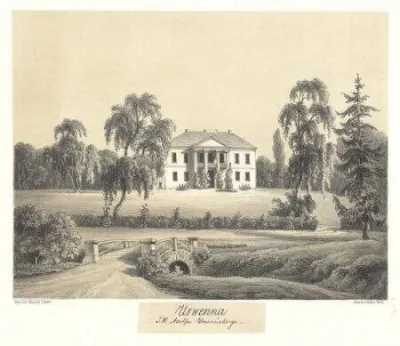
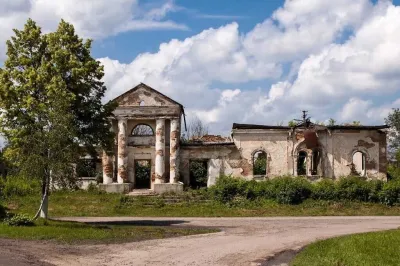
Here stands the Porchynskyi Palace, known among locals as the «Castle». It is a former 19th-century manor depicted in a drawing by the artist Napoleon Orda. Nearby you can see a two-storey servants' house (the "ofitsyna"), typical Czech houses and the ruins of a former post station that operated in 1834–1874 and was later used as a tavern and a club.
Drive to the village of Hilcha Druha.
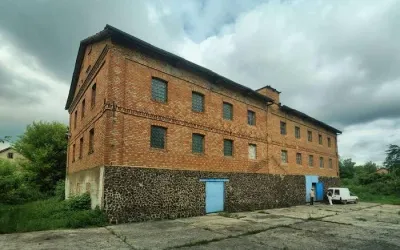
In 1871, 57 Czech families bought the lands of the Hulcha estate and founded their own settlement here. Today the community's history is recalled by the house and three-storey brick mill of the Hovorek family, the homestead of the blacksmith Václav Procházka with a hop-drying house, and the Czech school building of 1892. Special attention should be paid to the House of Culture, which used to be a fire station and the premises of the "Sokil" sports society (the "sokolovnia"). Buildings of this type played an important role in the public life of Czech settlements. In the hamlet of Haiok you can see a memorial sign on the site of the destroyed Church of Sts. Cyril and Methodius and visit the old Czech cemetery with a memorial sign to the founders of the settlement.
Stop in the village of Hilcha Persha.
After a lunch break the route continues to Hilcha Persha. Here is the spring of St. Nicholas the Wonderworker – an equipped hydrological monument with a grotto. According to local tradition, this place was visited by Taras Shevchenko, Olena Pchilka and Hryhorii Skovoroda. Nearby you can see the wooden St. Nicholas Church of 1900, and on the way out of the village – the Cossack Mound with a sculpture of Bohdan Khmelnytskyi, connected with the commemoration of Cossacks killed after the Battle of Berestechko in 1651.
End of the first day – drive to the village of Verkhiv and overnight stay.
Day 2. Zavydiv – Kraiv – Zdolbuniv Morning.
Drive to the village of Zavydiv.
The village of Zavydiv was founded by Czech colonists at the turn of the 19th–20th centuries. During the Second World War it became one of the centres of the Czech underground self-defence organisation «Blanik». Getting to know the village begins with a look at the wooden cross-figure with the icon of Sts. Cyril and Methodius placed at the entrance. Next it is worth strolling along the streets with their typical Czech homesteads and paying attention to the preserved brick hop-drying house of the Kukhynek family and the house of the Czech Tamkhina from 1906. The old Czech cemetery will be a separate stop. Stone gravestones, original wrought-iron fences and examples of the craftsmanship of the Czech artisans of the time have been preserved here.
The next stop is the village of Kraiv.
In Kraiv the Czech heritage has been preserved in the layout of the settlement, the architecture of residential houses and burial places. On the outskirts you can see the remains of former Czech farmsteads, and while walking along Vatiak Street – the houses of settlers with typical features of traditional construction.
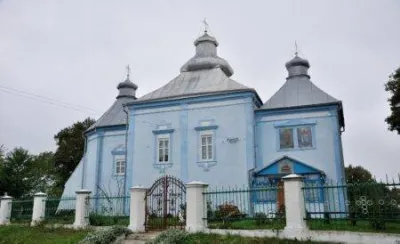
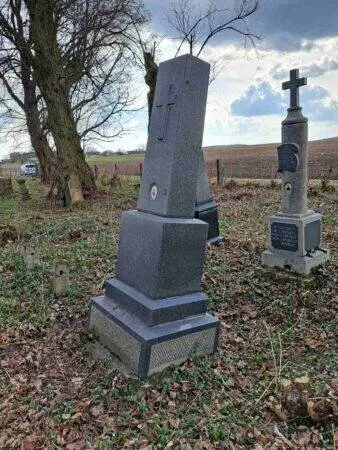
Among the other sites to see are the Holy Protection Church of 1739 and the Czech part of the local cemetery. Particular attention is drawn by a gravestone made in the Zhytomyr workshop of the Czech stonemasons Dlouhy.
End of the route – return to the town of Zdolbuniv.

- 1
- 2
 Other architectural attractions
Porchynsky Palace («The Castle»)
Rivne region, vul. Zhovtneva, 54, village Urvenna, Rivne region, 35715 - 3
 Other architectural attractions
Ruins of the Post Station
Rivne region, vul. Zhovtneva, village of Urvenna, Rivne region, 35715 - 4
- 5
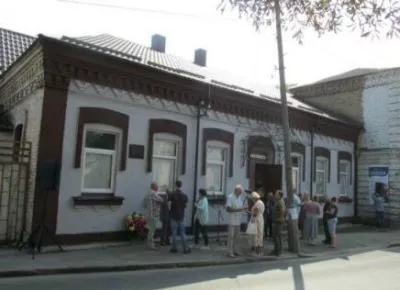 Other architectural attractions
Czech School
Rivne region, vul. Cheska, 62 a, village Hilcha Druha, Rivne district, Rivne region - 6
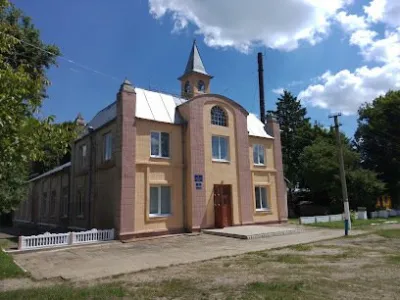 Libraries
Будинок культури з «Соколовнею»
вулиця Першотравнева, 65в, Гільча Друга, Rivne region, 35762 - 7
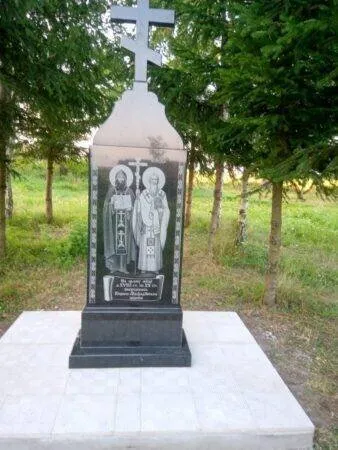 Monuments
Пам’ятним знаком на місці церкви Св. Кирила та Мефодія
- 8
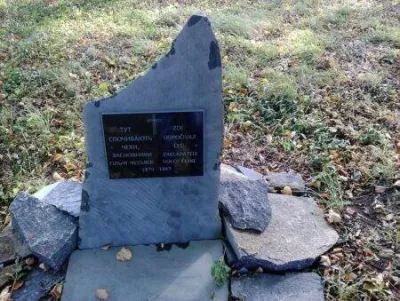 Monuments
Пам’ятний знак на чеському цвинтарі
с. Гільча Друга, Чеський цвинтар - 9
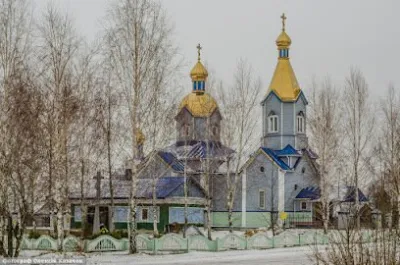 Churches, monasteries, sights of pilgrimage
Church of St. Nicholas
Rivne region, P05, Hilcha Persha, Rivne region, 35762 - 10
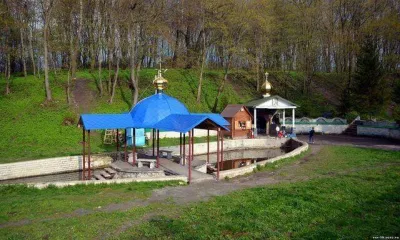
- 11
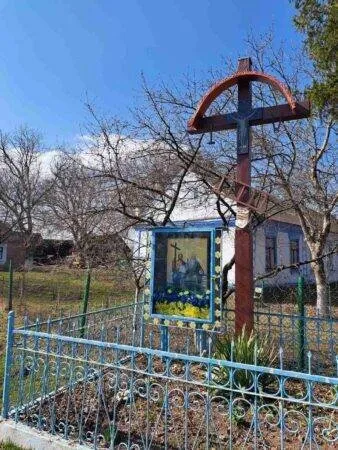 Monuments
Дерев’яний хрест з іконою святих Кирила та Мефодія
с. Завидів, Rivneнський район - 12
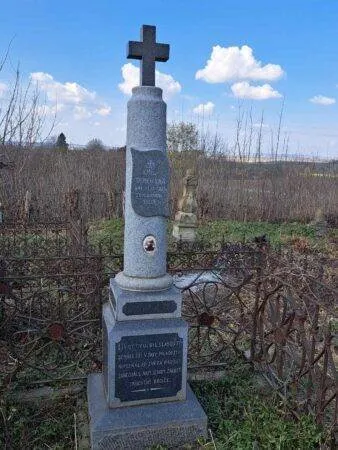 Monuments
Старий чеський цвинтар в с. Завидів
с. Завидів, Rivneнський район - 13
 Churches, monasteries, sights of pilgrimage
Holy Protection Church
Rivne region, Kraiv, Rivne region, 35823 - 14
 Monuments
Чеська частина цвинтаря у Краєві
с. Країв